

Level 3 Building Surveys in Tenterden for Listed, Timber-Framed and Period Homes
With our registered office at 82 High Street, Tenterden, we know the area well and have completed many local surveys
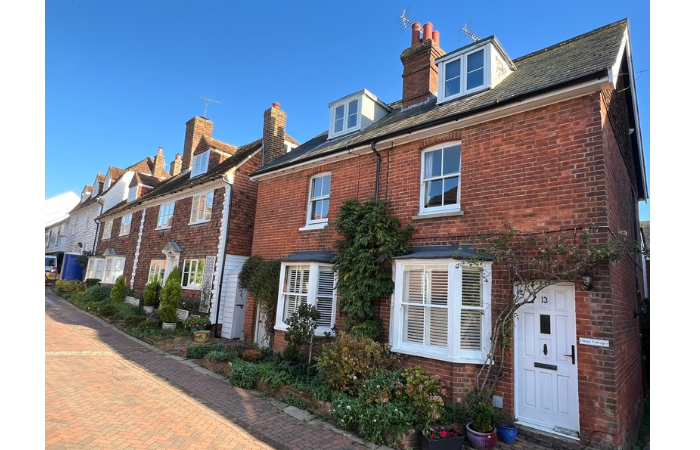
Tenterden is one of the most attractive historic towns in Kent because of its wide High Street with varying building types and heights; grass verges and mature trees. There is a mixture of timber-framed buildings, many replaced with Georgian frontages. Behind some typical-looking shopfronts are buildings that are considerably older than their appearance suggests.
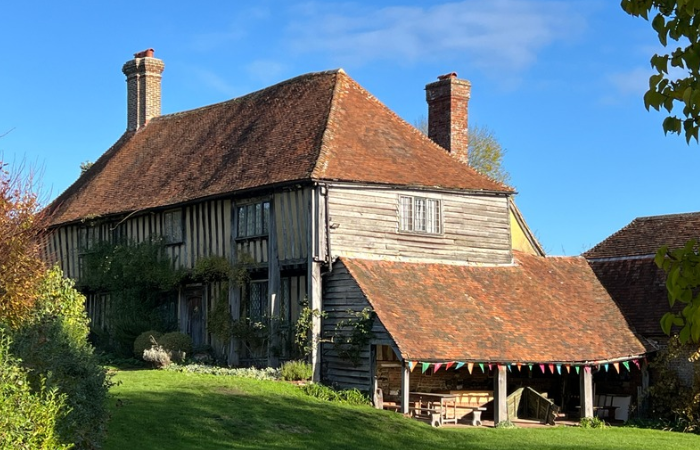
Older timber-framed houses were altered, extended or refronted as architectural fashions changed, while the surrounding lanes and villages contain farmhouses, cottages, oast houses and agricultural buildings converted into homes and offices.


Why Older Tenterden Properties Need Careful Inspection
Compared with Hastings and St Leonards, Tenterden does not have tall seafront buildings, but more timber-framed houses, rural properties and former agricultural buildings. The common defects are therefore different. A roof leak may affect the wallplate of a timber frame rather than a masonry parapet; a hard cement repair may trap moisture against historic oak rather than simply cause damage to brickwork.
Many of these buildings have been altered repeatedly. A medieval hall house may have gained a chimney and an upper floor, later been subdivided, refronted in brick or weatherboarding, extended in the nineteenth century and then modernised again in recent decades. Understanding those changes is often central to a thorough survey to allow you to have a full understanding of your future house.

Historic Tenterden, Its Buildings and the Surrounding Villages
We inspect property throughout Tenterden and in the surrounding countryside. The type of building can change considerably within a short distance: an older property in the High Street may contain a medieval frame concealed by later finishes, while a country house outside the town may have several phases of extensions, private drainage and former agricultural outbuildings converted to annexes.
Listed Buildings and Conservation Areas in and Around Tenterden
Tenterden’s historic centre is protected by the Tenterden Conservation Area, while St Michaels and Smallhythe have their own conservation areas. Several nearby villages, including Rolvenden, Rolvenden Layne, Appledore, Woodchurch, Biddenden, High Halden and Wittersham, have separate designated conservation areas.
Ashford Borough Council’s conservation area assessment describes a townscape of brick, clay tile, weatherboarding and tile-hanging. It also notes that many timber-framed buildings have later fronts, including mathematical tiles intended to imitate brickwork. This is one of the reasons the visible outside of a building does not always reveal its actual construction.
Listed Building Consent is often needed for changes to the building a whole, including the interior, and garden under curtilage listing. Certain works and alterations may require listed building consent, while conservation area controls and Article 4 Directions, where applicable, can restrict works that might otherwise be allowed under the General Permitted Development Order.
We regularly see older buildings that have been modernised over several generations. Removed walls, replacement windows, altered fireplaces, new openings, modern roof coverings, cement render or internal dry lining may have needed Listed Building Consent, Planning Permission, and Building Regulations Approval. Where we believe alterations have been made, our report will identify matters for your solicitor to investigate with the Local Authority as part of the conveyancing process.
For a listed or timber-framed property, a surveyor or surveying firm must allow more time for the survey and make sure the surveyor understands traditional materials, historic movement and appropriate repairs. A defect that would be straightforward in a modern cavity-wall house can be much more involved in a building with a historic timber frame.

When is a Level 3 Survey Recommended?
We generally recommend a Level 3 Building Survey for:
- Victorian, Edwardian and period homes
- Listed Buildings
- Properties built before 1930s
- Homes that have been extended or significantly altered
- Buildings in poor condition
- Larger or higher-value properties
- Homes where visible defects are already apparent
Although a Level 2 Survey is less expensive, it may not provide enough detail for an older property. Repair costs can quickly outweigh the initial saving if significant defects are only discovered after you’ve completed your purchase.
If you’re unsure which survey is right for the property you’re buying, we’re happy to review the estate agent’s details and recommend the most suitable option.
A Review from a Tenterden Client-
One of our clients was delighted with our service on two houses they were considering buying in Tenterden. Here is their Google review:-
If you are buying a Grade II listed property, then you really should engage surveyor, David Witcombe. David helped us to dodge a bullet when buying an 18th Century property in Tenterden. With his expert knowledge of old houses, and keen eye, he embarked on a forensic examination of the house over the course of 4 hours.
We were already having to replace the kitchen and bathroom, so the budget was tight, and we needed to make sure the house was broadly solid and there would be no surprises. Alas, David uncovered an estimated £45,000 worth of urgent repairs – and that was only from what could be seen. There could have been more underlying issues once repairs commenced. We decided not to negotiate on the sale price – the house was just too big a risk. So we walked away from the deal.
As fate would have it, we immediately found another Grade II listed house in a better location in Tenterden and, with some trepidation, asked David to survey it. This time David gave a big thumbs-up, uncovering just the normal level of repairs that you would expect for a property that’s over 250 years old.
We have since moved into the property with the confidence that the house is in good shape. That was only possible because of David’s deep expertise and thorough reporting.
In fact, his reports are so comprehensive that you can select excerpts and give them straight to a trade person, who in turn can provide a price estimate for the work based purely on David’s description and photos!
So, if you’re buying a Grade II listed property, don’t cut corners. Go for the best surveyor you can find – and that’s David Witcombe.
Examples of Issues Identified During Our Surveys.
Every property is different, but these examples illustrate the type of defects a detailed Level 3 Building Survey can uncover before you commit to a purchase.

Frequently Asked Questions
Buying a property in St Leonards? Here are answers to some of the questions we're most often asked about building surveys, historic homes and local property issues.

